











There is an ever increasing focus on the environmental impact of feed and AIC provides support for members on the environmental policies affecting feed mills and feeding advice, as well as updates on sustainability issues.
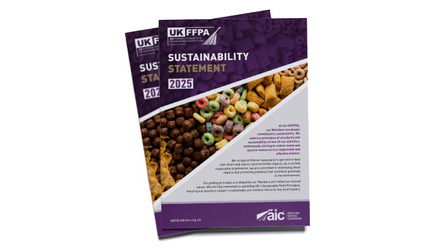
This report provides a detailed overview of the wide range of agri-supply activities undertaken by AIC Members. In particular, it highlights a selection of Member actions that are particularly important to the sector.
EURAGRI is hosting a virtual seminar on "The Soybean through World History: Protein Challenges for European Sustainable Agri-Food Systems," on May 7, 2025.
AIC has published an FAQ resource on the most common questions AIC receive regarding the combinable crops supply chains, as well as the supply of core inputs to agriculture.
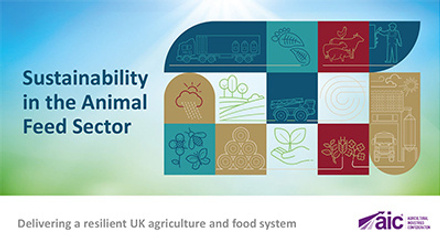
Members can re-watch AIC's online event discussing how the Animal Feed sector supports sustainable livestock production, held on 4 November as part of this year's Countryside COP.
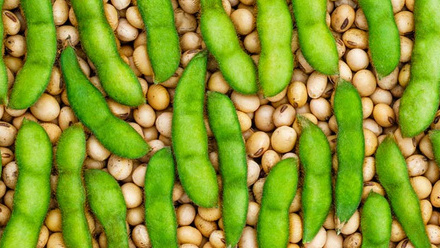
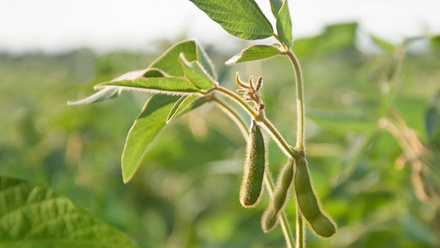
Learn about AIC's work on promoting sustainable soya in collaboration with European partners over the past decade, leading the world in this important area.
AIC Services Palm Oil Credit Scheme (APOCS) supports sustainable supply chains for palm oil, palm kernel oil and derivatives by purchasing Roundtable on Sustainable Palm Oil (RSPO) Credits on behalf of AIC members and trade assurance feed scheme participants.
AIC is hosting GFLI animal nutrition life cycle analysis data for a selection of those feed ingredients commonly used by UK animal feed manufacturers in formulating their rations - the GFLI UK Subset.
The UK government, a signatory to the New York Declaration and the Amsterdam Declarations, convened the UK Roundtable on Sourcing Sustainable Palm Oil (RSPO). Its members include trade associations for key palm oil-using sectors, the major UK refiners, manufacturers, retailers, food service, finance and NGOs with the aim of promoting the uptake of sustainable palm oil (SPO) in the UK.
The FEFAC Soy Sourcing Guidelines (SSG), which have been under review for the last 12 months, have been developed in line with one of the ambitions of FEFAC’s Feed Sustainability Charter 2030 for continuous improvement in responsible soy sourcing.
The FEMAS Responsible Sourcing Module which is currently successfully benchmarked to version 1 of the FEFAC Soy Sourcing Guidelines will be revised to ensure it continues to be successfully benchmarked to the new guidelines which, have been developed in line with one of the ambitions of FEFAC’s Feed Sustainability Charter 2030 for continuous improvement in responsible soy sourcing.
The AIC has submitted its response to the Government’s consultation entitled Due diligence on forest risk commodities. The consultation considers whether the Government should introduce legislation that would require a ‘small number of larger businesses’ to guarantee that commodities that can be responsible for deforestation have been produced legally, in accordance with relevant, local laws.
The MarinTrust Standard is an initiative of Marine Ingredients Certifications Ltd and has been developed as a credible, robust tool that enables producers of raw materials in the fishmeal and fish oil industry to demonstrate responsible practice.