

Blog: Global Fertilizer Day - Three Things That Have Surprised Me Since Joining the Sector
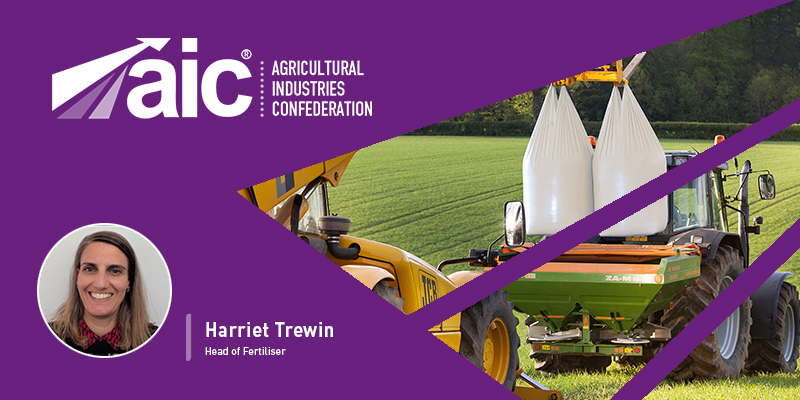
How much do we really know about the people, expertise and innovation behind the fertiliser sector? The Agricultural Industries Confederation's (AIC) Head of Fertiliser, Harriet Trewin, shares three things that have surprised her since taking on the role and reflects on the sector’s contribution to UK farming and food production.
When I joined AIC as Head of Fertiliser, I expected to learn about products, markets and policy. What I did not fully appreciate was just how complex, innovative and dedicated this sector really is.
As we mark Global Fertilizer Day, it feels like a good opportunity to reflect on three things that have genuinely surprised me during my first months in the role.
1. The complexity of the fertiliser supply chain
Before joining the sector, I knew fertiliser was traded internationally and influenced by global markets. What has surprised me is the sheer complexity involved in ensuring products arrive where they are needed, when they are needed.
Fertiliser does not simply appear on a farm when a grower places an order. Products may be manufactured domestically or imported from around the world, moved through ports, stored, blended, bagged, transported and, finally, delivered to farms. A single fertiliser product may travel thousands of miles before reaching a farm, passing through ports, storage facilities and distribution networks before being delivered during a relatively short application window. Each stage involves significant planning, investment and expertise. This supply chain operates across continents while working within tight seasonal windows and responding to changing weather conditions, global events and farmer demand.
The more time I spend in the sector, the more I appreciate the people and businesses working behind the scenes to keep that system moving.
2. It is about much more than nitrogen, phosphorus and potassium (N, P and K)
Like many people outside the industry, my perception of fertilisers was largely shaped by the familiar nutrients: nitrogen, phosphate and potash.
What has surprised me is the sheer variety of products, technologies and approaches available to support modern farming. There are products designed for different crops, soil types, growing systems and environmental objectives. These include mineral fertilisers, organic materials, inhibitors, specialist nutrition products, liquids and foliar applications. Behind them sits a huge amount of agronomic knowledge and technical expertise.
The industry is constantly evolving and developing products and solutions that help farmers improve nutrient use efficiency, productivity and sustainability. Whether through enhanced efficiency fertilisers, precision nutrient management or products designed to reduce nutrient losses, innovation is helping farmers produce more while making the most effective use of valuable nutrients. The breadth of innovation across the sector has been one of my biggest discoveries.
3. The determination to get it right
Perhaps the thing that has impressed me most is the commitment across the sector to ensuring products do exactly what they say they will do.
Whether among manufacturers, importers, distributors, technical specialists or regulators, there is a shared focus on product quality, compliance and giving farmers confidence. A great deal of effort goes into ensuring products meet regulatory requirements, are accurately described and perform as expected in the field. That commitment extends from product testing and quality assurance through to storage, handling and providing clear advice for farmers.
Ultimately, farmers need confidence that the products they invest in are safe, reliable and fit for purpose. The determination throughout the supply chain to uphold these standards is something that deserves recognition.
One final surprise: the people
If I were allowed a fourth point, it would be the people.
The fertiliser sector has been incredibly welcoming. As someone new to the industry, I have been struck by how generous people have been with their time, knowledge and support. From manufacturers and distributors to agronomists, farmers, policymakers and colleagues across AIC, there is a genuine willingness to collaborate and help others succeed.
It is a sector that is passionate about what it does and proud of the contribution it makes to food production. That enthusiasm is infectious.
Looking ahead
The fertiliser sector sits at the intersection of food security, sustainability, innovation and trade. While it faces challenges arising from global volatility, evolving regulation and changing farming practices, it is also full of expertise, resilience and determination.
On Global Fertilizer Day, I would like to thank everyone who has welcomed me into the sector and continues to work every day to support UK farmers and growers.
As I continue to learn about the sector, I am particularly excited to see how innovation, technology and collaboration will help the industry navigate these challenges in the years ahead.
Author

Harriet Trewin
Harriet Trewin is AIC’s Head of Fertiliser and lead AIC's fertiliser policy, regulatory and stewardship work, supporting Members across the agricultural supply chain on key technical, environmental and legislative developments.