
Meet Ella: A Career in Compliance and Sustainability
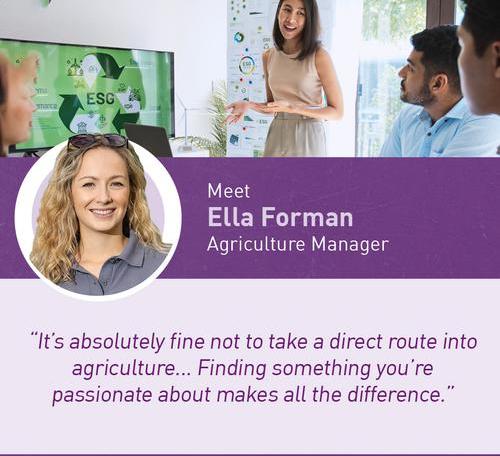
Discover Ella’s career journey at British Sugar, from growing up on a North Norfolk farm and studying Rural Land Management to supporting sugar beet growers across the Wissington area. Find out what her varied role involves, why relationships matter and her advice for exploring different career paths.
What does a normal day look like in your job?
There’s no such thing as a ‘normal’ day in my role - it really depends on the time of year and whether we’re in campaign or not. I often don’t know exactly how the day will pan out until it starts.
A typical day might begin with some admin, such as checking how drilling is progressing. From there, I could be heading to Wissington sugar factory for meetings or going straight out to farms.
Depending on the season, I might help growers with their paperwork, walk crops with them, or check drill efficiencies to make sure they’re set up for the best possible yield.
I currently look after around 100 sugar beet growers across the Wissington area, from Downham Market to Ely and up to Swaffham. The days are busy and varied - they really do fly by.
How did you get into this role?
I grew up on a farm in North Norfolk, but interestingly, I wasn’t particularly interested in farming when I was younger. I helped out during harvest, but I remember disliking sugar beet because it meant being woken up at 5am by the harvester!
Over time, though, I developed a deeper appreciation for farming and how much it influences day-to-day life. I went on to study Rural Land Management at the Royal Agricultural University, which focuses on rural-based businesses. After graduating, I worked as a surveyor but it was very desk-based and lacked the level of interaction I was looking for.
I wanted a role that kept me connected to agriculture but also involved working with people. I considered agronomy, but when I came across this opportunity at British Sugar in 2024, it felt like the right fit. I’ve now been in my role for about two years.
At the beginning, a big part of the job was getting to know the growers - understanding them, building relationships, and learning how each of them runs their business as no two are the same.
What skills or qualities matter most in your job?
One of the unique things about this role is how much flexibility there is to approach it differently according to peoples’ own strengths. For me, strong communication and relationship-building skills are essential. A huge part of the job is getting to know growers, understanding their needs, and building genuine, trusting relationships. It’s about being interested in people and figuring out how best to support them.
Alongside that, technical knowledge is important, although much of it can be learned on the job. I’ve developed my understanding of areas like weed control, insecticides and agricultural legislation by shadowing colleagues and learning from others across the business.
It’s really a balance between people skills and technical expertise. Sometimes, you might be the only person a grower sees that day, so having the time to talk and support them is really important - especially given the challenges in agriculture. I’m also a mental health first aider, which helps me recognise when someone might need additional support, and guide them to the right resources.
What do you enjoy most about your role?
There are three main things I enjoy most. First, the relationships I build with growers and colleagues. Those relationships grow stronger over time, and it’s incredibly rewarding when growers trust me enough to share their successes – I love it when somebody sends me a photo of a great looking crop!
Second, the variety. No two days are the same, and I have the flexibility to decide where I need to be - whether that’s in the office handling admin or out on farm walking crops. That diversity is what makes the role so interesting and fulfilling.
Finally, as a woman in agriculture, I really value the opportunity to challenge stereotypes and be part of positive change within the industry.
What advice would you give someone thinking about this career?
My main advice is that it’s absolutely fine not to take a direct route into agriculture. The skills I gained from my degree and my previous career are hugely valuable in what I do today. Every experience you gain adds something - different perspectives and transferable skills that can really benefit growers. There’s real value in having a diverse background.
It’s also important to remember that it’s okay to change direction. People don’t tend to stay in one job for their entire career anymore, and that’s a good thing. It’s about exploring opportunities, gaining experience, and learning along the way.
Most importantly, focus on what interests you now rather than trying to map out the next 10 years. If you try something and don’t enjoy it, that’s okay - take stock, rethink, and try something else. Finding something you’re passionate about makes all the difference.